
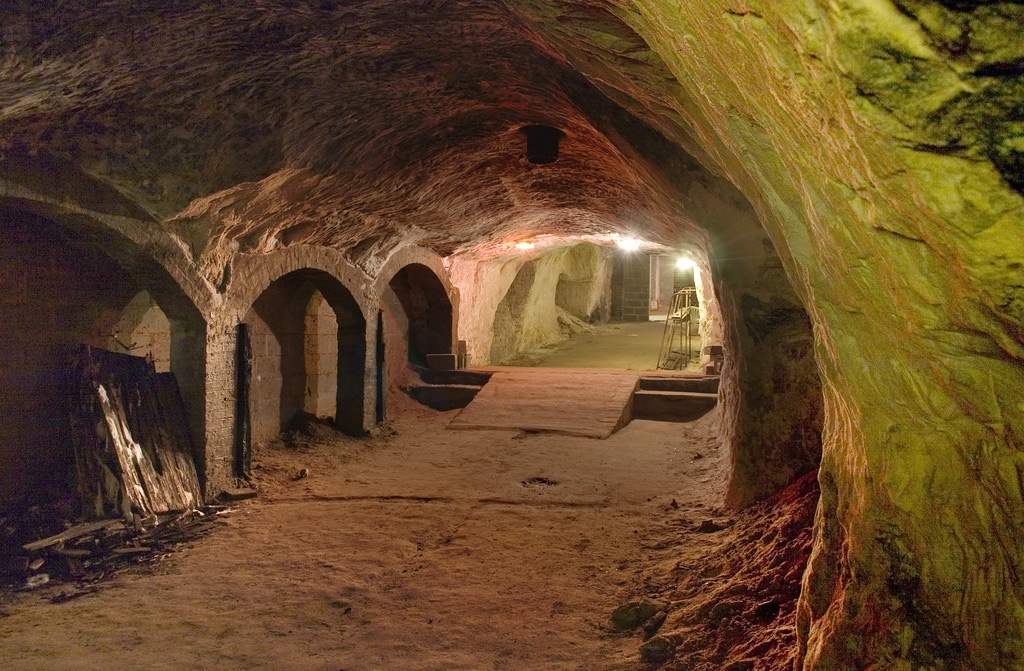
I was thinking about…the tunnels under downtown Oklahoma City.
By Andy Lee
Underneath the streets of Oklahoma City lies a vast network of tunnels that the general public rarely sees. Stretching for miles beneath the downtown area, these tunnels were constructed in the early 20th century as part of an ambitious urban planning project. But what was once seen as a marvel of modern engineering soon faded into obscurity. Today, many residents of Oklahoma City don’t even know about this “city beneath the city.”
The tunnel system dates back to the 1930s and 1940s when city planners were looking for ways to modernize Oklahoma City. Major American cities like New York and Chicago had built subway systems to help move people efficiently around crowded urban centers. While Oklahoma City was much smaller than these metropolises, local leaders were inspired by the concept. They wanted to create a progressive, forward-thinking city that could compete on a national scale. To achieve this vision, they hired contractor Carey B. Bottom to oversee construction of the tunnels in 1928.
The tunnels were designed to house utilities and pipes. By burying phone and electrical lines underground, the city could reduce unsightly overhead poles and wires. The tunnels also contained connections for water, natural gas, district heating and cooling, and sewage. Building the tunnels downtown allowed all these critical services to be accessed and maintained in one central location.
According to local history books, construction of the tunnels involved digging giant trenches, lining them with concrete, and then covering them over again. Work crews used early earthmoving equipment like steam shovels to excavate the tunnels. It was hard, dangerous work – especially because downtown buildings already occupied the space above their heads. Workers had to reinforce existing structures and underpin foundations to prevent collapse. But over several years, the network gradually took shape.
The finished tunnels stretched over 5 miles in length and descended up to 50 feet below ground. They were approximately 16 feet high and 20 feet wide – large enough for trucks to drive through. Ventilation shafts poked up above ground at intervals to circulate fresh air. It was a remarkable feat of subterranean engineering that captured the imagination of the local community. Residents were fascinated by the covert world unfolding beneath their feet.
For decades, the tunnel system operated as intended – quietly keeping essential services running beneath downtown OKC. But by the 1960s and 1970s, the tunnels had started to fall into disuse. As Oklahoma City expanded outwards, decentralized utility networks became more common. Maintenance costs for the aging tunnels also mounted. Large portions of the old tunnels were abandoned or repurposed. Today, many of the tunnels are used primarily for document storage or as refuge from dangerous weather. A few sections still house active power and internet lines. But the tunnels no longer play a vital role in the infrastructure of Oklahoma City.
Though largely forgotten, the tunnels remain an incredible relic of the city’s past. Venturing below street level reveals the sheer ambition and vision that shaped Oklahoma City in an earlier era. The construction process was a remarkable undertaking that employed hundreds of workers and captured local attention. The tunnel system ultimately fell victim to changing technologies and a shifting urban landscape. But for a time, Oklahoma City could genuinely boast of having a “city beneath the city” – a engineering marvel that set it apart from other communities.
While the tunnel system has faded from prominence, it still captures the imagination of urban explorers willing to brave the depths. A few access points remain unsealed, allowing adventuresome individuals the chance to venture into the tunnels. Local laws prohibit trespassing in the tunnels, but that doesn’t stop the occasional urban spelunker from sneaking through a hatch or neglected maintenance door.
Online forums contain accounts from people who have snuck into the tunnels. They describe eerie subterranean scenes, with endless concrete passages punctuated by mysterious locked doors. Graffiti covers the walls in spots, and signs of transient occupation can be found in some remote corners. While mundane utility structures occupy portions of the tunnels, explorers say other sections have a thrilling air of mystery.
Attempts have been made to formally re-open the tunnels for public access and tourism. In 2007, city officials proposed using part of the tunnel network as a underground pedestrian walkway. This would have allowed commuters to bypass street traffic and walk directly between downtown buildings. However, cost estimates nixed the project before it could get off the ground.
Another group called Subterranean Oklahoma City has advocated for opening a tunnel museum. They want to showcase the tunnels’ history and engineering significance. Financial and legal hurdles have stalled these efforts over the years. Much of the tunnel network remains off-limits to the general public despite this interest.
The Oklahoma City tunnels represent what some call “invisible cities” – infrastructure and underground spaces to which most people never gain access. Yet these hidden urban features are an integral part of city life. For those with an eye for adventure and urban exploration, the tunnels provide a window into forgotten aspects of OKC’s history. While chiefly utilitarian in their original intent, the OKC tunnels have taken on new meaning as obscure relics of the city’s past. Whether they will one day enjoy a revival as a public space remains to be seen. But their lore lives on as a reminder of Oklahoma City’s legacy of ambition and engineering prowess.
Stay curious, keep exploring.
Step off the beaten path of known history, and wander into the pages of “I Was Thinking About…” Your adventure awaits. #iwasthinkingabout #curiositymeetshistory #historybuff #booklovers #andylee #HiddenHistory
 I was thinking about...