
I was thinking about…
The Legacy of the Grand Ole Opry
By Andy Lee
The Grand Ole Opry is a legendary weekly country music radio program and stage show that has been a staple of American popular culture for nearly a century. The radio program has been broadcast for over 5,000 consecutive Saturday evenings making it the world’s longest-running radio show. It has continued to produce original shows through the Great Depression, World War II, two Nashville floods and most recently a global pandemic.
The program originated in 1925 as the WSM Barn Dance, a one-hour radio show that featured performances by local musicians in Nashville, Tennessee. In 1927, the show was renamed the Grand Ole Opry, and it has been a cultural institution ever since. The venue moved to the Ryman Auditorium in 1943, cementing its place in country music history.
The name “Opry” is actually a play on words. When the show was first renamed, it was spelled “Opry” as a shortened version of “opera.” The organizers of the show chose this name to emphasize the fact that country music was just as important and artistic as classical music, and that the performers on the show were just as talented as opera singers. Over time, the name “Opry” became synonymous with the show itself, and it has been spelled that way ever since.
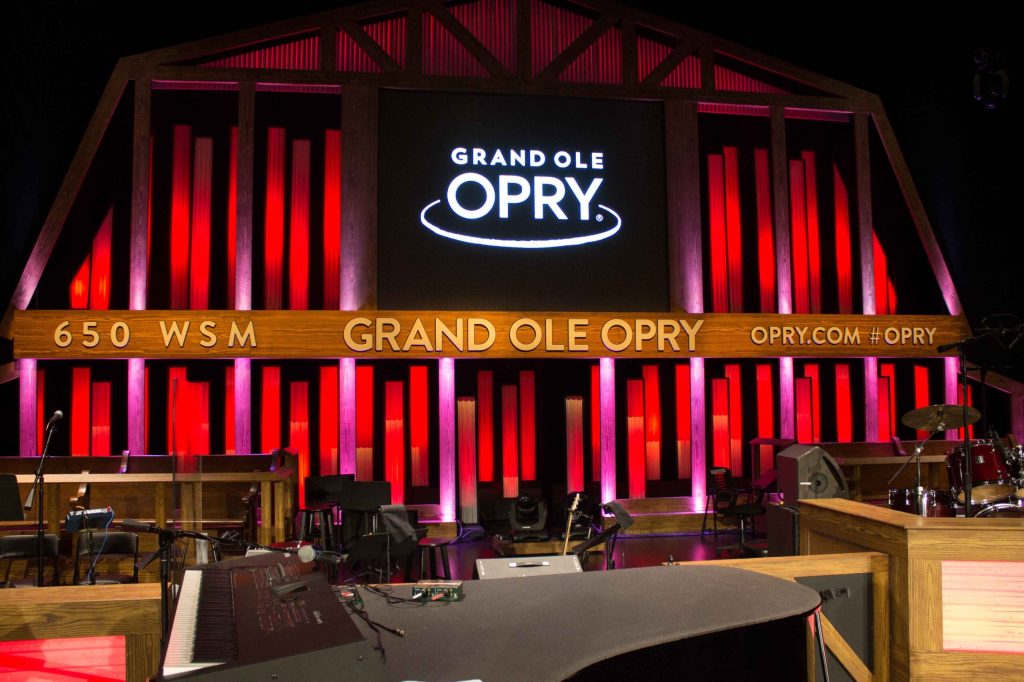
In 1974, the Grand Ole Opry relocated to its current home, the Grand Ole Opry House. The new venue was purpose-built and designed to provide a larger space to accommodate the growing popularity of the show. With state-of-the-art technology and a seating capacity of over 4,000, the Opry House became the ideal setting for preserving the Opry’s traditions while embracing the modern era.
The Grand Ole Opry has played a major role in the development and popularization of country music as a genre. Throughout the years, the show has featured performances by some of the biggest names in country music, including Hank Williams, Patsy Cline, Dolly Parton, and Garth Brooks. The show has also been a launching pad for many up-and-coming artists, helping to launch the careers of such stars as Blake Shelton and Carrie Underwood.
The Grand Ole Opry has always been more than just a radio program. It is also a live stage show that has been performed in a variety of venues over the years, including the Ryman Auditorium and the Grand Ole Opry House. The show is known for its lively performances, with each artist typically performing two or three songs during each show. The Opry also features a house band, which provides accompaniment for the performers and adds to the overall energy and excitement of the show.
In addition to its contributions to the country music industry, the Grand Ole Opry has also played a major role in the cultural and social history of the United States. The show has been a symbol of American values and traditions, and its impact on popular culture has been significant. Today, the Grand Ole Opry continues to be one of the most popular and beloved radio programs and stage shows in the United States, and its legacy as a cultural institution is secure.
 I was thinking about...