
I was thinking about…
Red Dirt Music: The Storytelling Sound of Oklahoma and Texas
By Andy Lee
Red Dirt music is a genre of country music that originated in the late 1960s in Stillwater, Oklahoma. It is characterized by a blend of rock, folk, and country music, often with a strong emphasis on lyrics and storytelling.
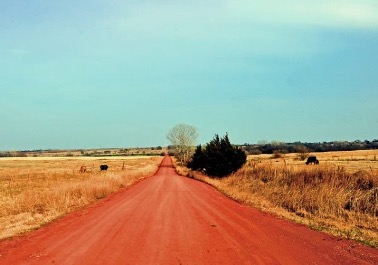
The term “Red Dirt” refers to the unique reddish soil found in Oklahoma and Texas, where the genre first took root. Musicians in this area, including Bob Childers, Tom Skinner, and Jimmy LaFave, began to incorporate elements of rock and folk into their country music, creating a sound that was distinctly their own.
One of the earliest bands associated with Red Dirt music was the Red Dirt Rangers (John Cooper, Brad Piccolo, and Ben Han), formed in Stillwater, Oklahoma, in 1988. The band blended elements of bluegrass, rock, and country, creating a sound that was unique to the region. They were soon joined by other musicians, including The Great Divide, Cross Canadian Ragweed, and Stoney LaRue.
Singer-songwriter and former Stillwater resident Jimmy LaFave said,
“It’s kind of hard to put into words, but if you ever drive down on the (Mississippi) Delta, you can almost hear that blues sound,” he explains. “Go to New Orleans, and you can almost hear the Dixieland jazz. Go to San Francisco, and you get that psychedelic-music vibe. You hear the Red Dirt sound when you go through Stillwater. It has to do with the spirit of the people. There’s something different about them. They’re not Texans, they’re Okies, and I think the whole Red Dirt sound is just as important to American musicology as the San Francisco Sound or any of the rest. It’s distinctly its own thing.“
Red Dirt music grew from a specific place in Stillwater. The place was an old two-story, five-bedroom house called “The Farm”, for two decades the center of what evolved into the Red Dirt scene. The house, located on the outskirts of Stillwater, was the country home of Bob Childers. Eventually Childers left The Farm, but the Red Dirt scene continued to grow and thrive. Childers said, “I found something in Stillwater that I just didn’t find anywhere else. And I looked everywhere from Nashville to Austin. I always came back to Stillwater—it’s like a fountainhead for folks trying to get their vision.” The first usage of “red dirt” was by Steve Ripley band Moses when the group chose the label name Red Dirt Records for their 1972 self-published live album.
Red Dirt music’s popularity began to spread beyond Oklahoma and Texas in the 1990s, with bands like The Great Divide and Cross Canadian Ragweed touring nationally and gaining a following. The genre’s reputation grew as a result of its emphasis on storytelling, with lyrics that often explored the struggles and triumphs of everyday people.
The popularity of Red Dirt music continued to grow in the 2000s, with bands like Turnpike Troubadours, Reckless Kelly, and Jason Boland & The Stragglers gaining a wider following. Red Dirt music festivals, such as the Red Dirt Roundup and Medicine Stone, also began to draw larger crowds, further solidifying the genre’s place in the country music scene.
Red Dirt music’s popularity has been attributed to its authenticity and honesty, with its focus on storytelling and lyrical depth. Its origins in Oklahoma and Texas also give it a sense of regional identity, as many of the songs explore the unique challenges and joys of life in the Great Plains.
Red Dirt music is a genre of country music that originated in Oklahoma and Texas in the late 1960s. It is characterized by a blend of rock, folk, and country music, often with a strong emphasis on lyrics and storytelling. Its popularity has grown over the years, with Red Dirt festivals and bands gaining national attention. The genre’s authenticity and regional identity make it a unique and enduring part of the country music scene.
 I was thinking about...