
I was thinking about…
A Nation Divided: Reflection on the Series and the Reactions That Followed
by Andy Lee
Over the past several posts, I have explored themes about the state of discourse in our country—the inability to have civil discussions, the selective outrage, the way people shut down when faced with opinions they don’t like. And, just as I suspected, every single theme in that series held true.
During this time, I posted two politically charged pieces, heavily leaning in one direction over the other. I knew it would trigger responses, and sure enough, I heard from a handful of people. Some agreed, some did not. What stood out was how those who disagreed responded. In public comments, people were willing to engage, disagree, and remain civil. But in private messages, it was a different story—those who took issue with what I wrote didn’t seek a real discussion. Instead, they dismissed, distanced, or outright disengaged, just as I had described in the series.
One interaction in particular stuck with me. A person I hadn’t heard from in over a decade suddenly felt compelled to reach out—not to reconnect, not to check in, but to express disappointment that I dared to write about politics. The message wasn’t a debate, a counterpoint, or an invitation to exchange ideas. It was a thinly veiled attempt to tell me I should be better than this. That my writing would be more “noteworthy” if I presented all perspectives, as if my own wasn’t valid unless it was diluted with opposing viewpoints.
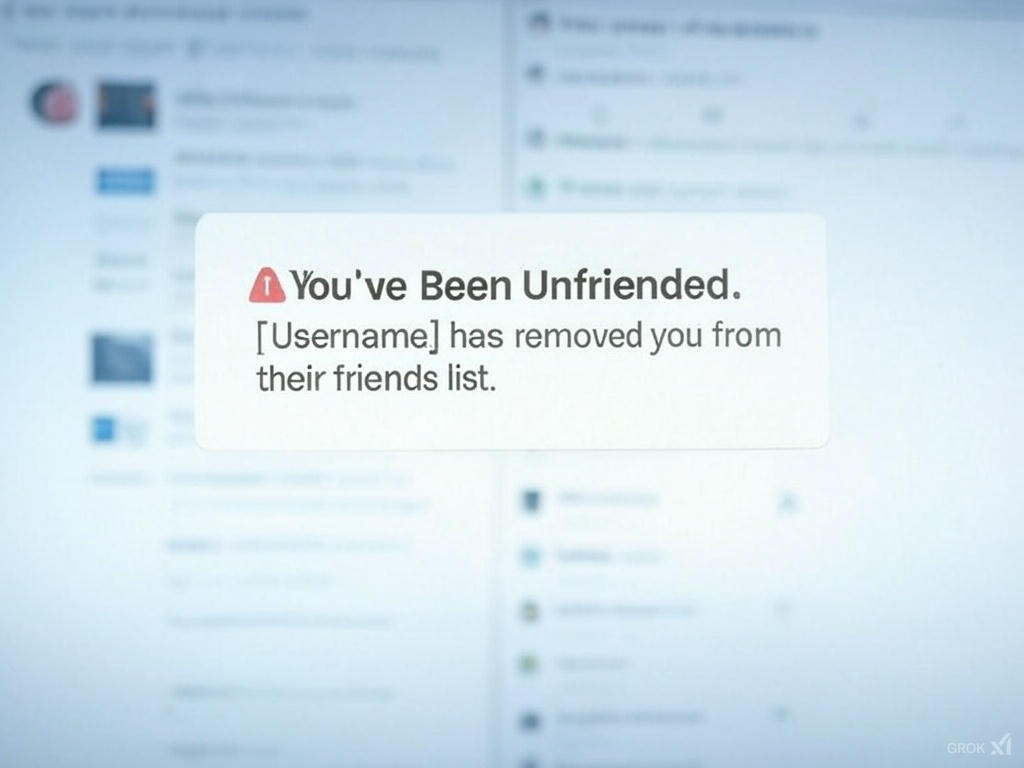
And just like that, I am sure I have been canceled, unfriended, or unfollowed by others who felt the same way. And that’s okay. If someone cannot have a conversation with me, if they cannot respect that I have my own experiences and perspectives just as they have theirs, then perhaps it is best that they chose that course of action.
I don’t write to change minds. I don’t write to convince anyone of anything. I write because I have something to say. Right, wrong, or indifferent, that is what I do. My writings are mine. There is no expectation for agreement, no demand for anyone to believe what I believe. In fact, I would be far more concerned if most people agreed with me.
I fully acknowledge that my point of view may be flawed. I do not claim to have all the facts. My opinions come from my life experiences, my observations, and the world as I have come to understand it. And unlike so many others, I am not married to my opinions. If someone presents a well-reasoned argument, if they explain their perspective in a way that allows me to see it differently, I am more than willing to reconsider. The real issue is that so many others are not.
This is what worries me most about the future of our country. The inability to discuss, to challenge each other, to disagree without disengaging—that is what will divide us beyond repair. How can we address the real problems of our time if we refuse to hear one another? If we immediately retreat into our corners at the first sign of disagreement?
The future remains uncertain. But one thing is clear: if we cannot learn to have the hard conversations—to stand firm in our beliefs while still seeking to understand others—then the divisions that plague us now will only deepen. And if that happens, then the real tragedy isn’t that we disagreed, but that we were never willing to listen in the first place.
“The greatest danger to our future is not that we have different opinions, but that we refuse to hear one another.” – Unknown
“We must learn to live together as brothers or perish together as fools.” – Martin Luther King Jr.

 I was thinking about...