
Kelsey Kremer
I Was Thinking About…The History of Trick-or-Treating
By Andy Lee
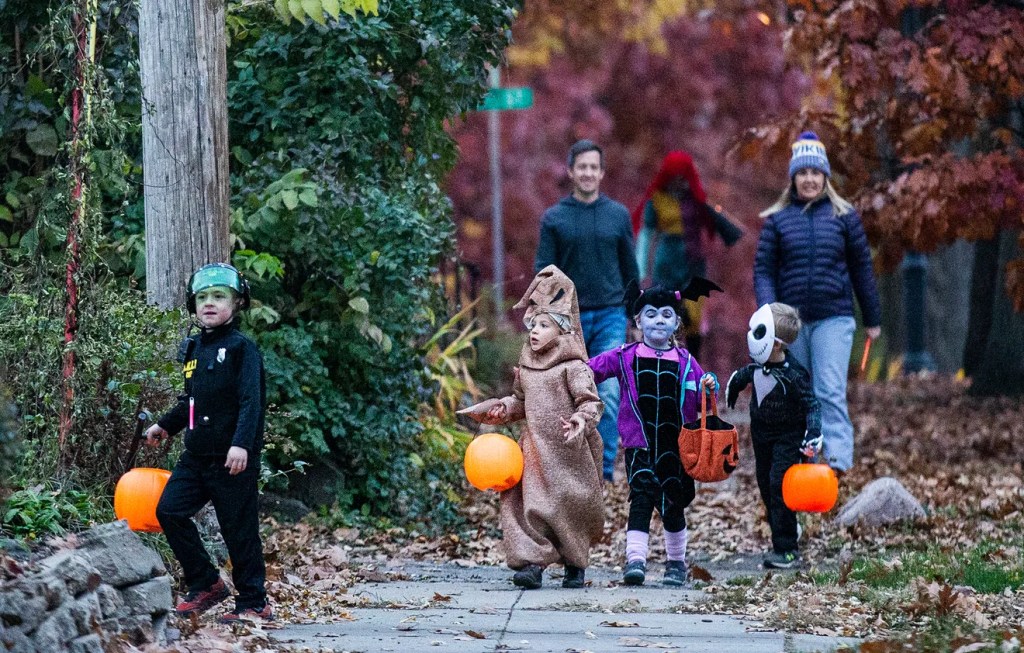
It’s almost that beloved time of year again—when kids don costumes and canvass the neighborhood seeking candy treasures. As the neighborhood children prepare their trick-or-treat bags, I can’t help but ponder the origins of this odd tradition. Where exactly did the concept of kids begging strangers for sweets arise? The history of Halloween turns out to be far more complex than I realized.
Halloween traces its roots back over 2,000 years to the ancient Celtic festival of Samhain. The Celts saw October 31st as a liminal time when the barrier between the spirit world and physical world weakened. On Samhain, demons could walk among the living. To avoid harassment, Celts would disguise themselves as spirits to blend in with actual supernatural visitors.
In the 7th century, the Catholic Church aimed to convert these pagan rituals into church-sanctioned holidays. Pope Gregory III moved All Saints’ Day to November 1st, co-opting the ancient Celtic traditions. This new holy day honoring saintly souls became known as Allhallows or Hallowmas. By the 11th century, the church added All Souls’ Day on November 2nd specifically remembering deceased loved ones in Purgatory.
All Souls’ Day also involved “souling”, where poor folk would go door-to-door offering prayers for the dead in exchange for food. Over time, souling became trick-or-treating – costumed children asking for money or treats rather than praying. This practice likely emerged from the older Celtic custom of guising. Guisers visited homes in disguise, offering a performance like singing in return for food or drink.
You might assume trick-or-treating simply migrated to America alongside European immigrants. But it didn’t become widespread here until the 1920s and 30s, even as pranking proliferated. In fact, the earliest known use of “trick or treat” appeared in 1920s Canadian newspapers, referring to the practice as an unwelcome ultimatum.
Trick-or-treating was briefly curtailed during WWII rationing but exploded postwar alongside suburban growth. Mass-produced candy made the holiday easier too. While once a phrase laden with menace, “trick or treat” now represents playful innocence. Turn off your porch light if you wish to avoid pint-sized ghouls at your door.
Today’s family-friendly trick-or-treat rituals retain surprisingly ancient roots. Contemporary kids unknowingly continue traditions tracing back millennia when they dress up seeking candy. Though practices evolved over time, that desire to avoid restless spirits endured.
In many ways, trick-or-treating reflects human resilience. Though wars, religious shifts, immigration, and unrest transformed society, this beloved ritual persisted. Each generation passed down their customs, adapting where needed to fit the times. Kids today might not believe in demons, but they still embrace the authentic spirit of Halloween handed down through the ages.
For today, I was just thinking about trick-or-treating, a surprisingly ancient tradition that persists into modern times. However you celebrate, may your Halloween spirits be more sweet than spooky this year!
Stay curious, keep exploring. 😊
The past is full of surprises if you know where to look – come along as we shed light on more forgotten tales. Subscribe below to have these forgotten stories from the past delivered directly to your inbox. It’s free. Unsubscribe at any time.
 I was thinking about...