
The Ghost Towns of the American West: Echoes of the Gold Rush
By Andy Lee
Scattered across the American West lie the eerie remains of once-bustling mining towns. Abandoned over a century ago, these ghost towns offer a haunting glimpse into the frenzied quest for gold and the brevity of boom towns during the 19th century. The empty streets and weathered facades of these ghost towns allow one to imagine the fortunes sought and lives lost in pursuit of precious metal wealth.
The California Gold Rush of 1848-1855 sparked a mass migration of prospectors westward. Gold discoveries followed in states like Nevada, South Dakota, and Colorado throughout the 1800s. Seemingly overnight, makeshift mining camps-turned-towns sprouted up across the frontier. Word of a strike spread like wildfire, drawing eager prospectors by the thousands. The rush was on.
Mining towns overflowed with dusty saloons, gambling halls, and other vices catering to the transient crowds. Main streets had a ramshackle look, lined with wooden shacks and canvas tents rather than brick buildings.
Wyatt Earp and other legendary lawmen got their start policing the unruly mining camps. And names like Deadwood, Tombstone, and Lost Camp still evoke Wild West imagery today. But the good times never lasted. Strikes and seams inevitably played out. When the gold was gone, so too were the people.
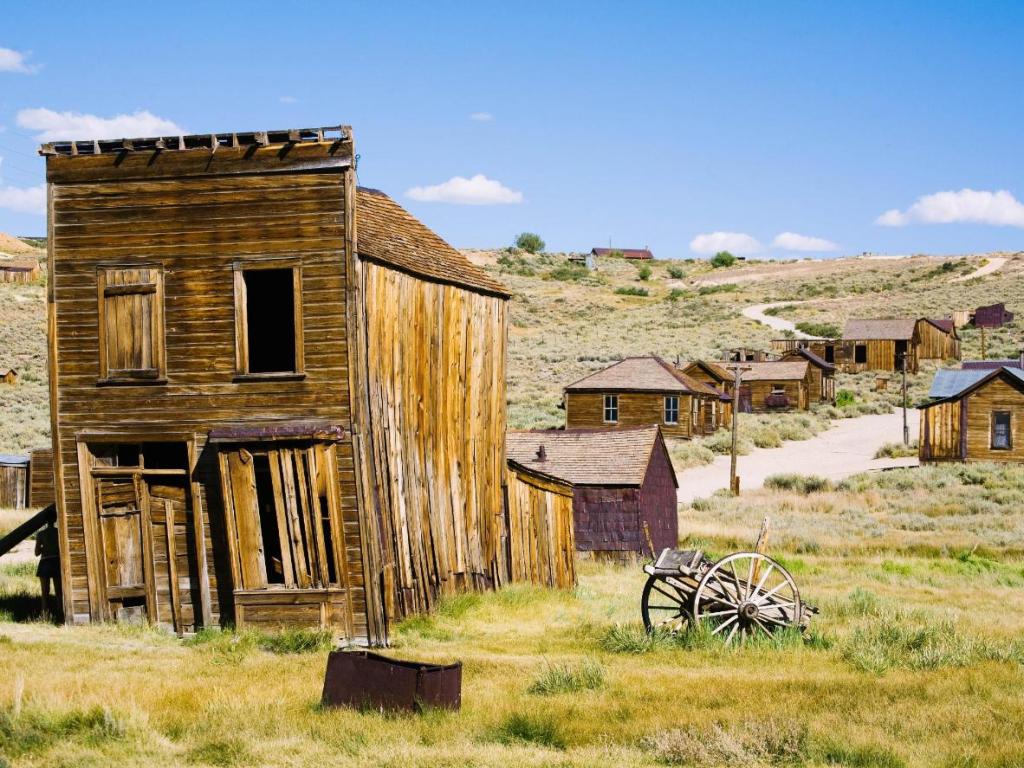
Boom towns turned to bust overnight. The hastily constructed buildings were dismantled or abandoned to the elements. Saloons and boarding houses emptied out, windows shattered, signs faded in the unrelenting sun and wind. Tools, wagons, and domestic items littered the property. The icons of daily life became ghostly relics.
Strolling the deserted streets of these ghost towns is a haunting experience. At Bodie, California, weathered stores sit frozen in time on a dusty, windswept bluff. Virginia City, Nevada features creaky wooden hotels and saloons dating to the 1860s Comstock Lode rush. And South Dakota’s Deadwood still harbors the remains of Wild Bill’s first grave and Calamity Jane’s lonely cabin. Bart Dahmen/Getty Images
What led to such precipitous rise and fall? At first, isolated mining settlements lacked governance and infrastructure. Poor living conditions and lawlessness spurred development into towns. But the easily extracted gold quickly disappeared, plunging towns into decline. New strikes shifted focus elsewhere. Populations proved transient, chasing the next big lode.
Railroad access and agricultural industry could sustain some towns through transition. But many remote outposts were utterly dependent on mining. When operations shuttered, workers, businesses, and capital disappeared virtually overnight. Boom towns were built by gold, and mined out seams spelled their doom.
Still, visiting ghost towns provides a unique window into a fleeting yet formative era of American history. They offer a visceral glimpse of the toil, risk, and daily life that defined the frontier. Modern ghost towns balance evocative ruin with restored history. If you listen closely, the echoes of prospectors still seem to linger in the desert wind. Though their fortunes faded, the ghost towns of the American West live on to tell their tale.
Stay curious, keep exploring. 😊
Share my enthusiasm for dusting off forgotten stories from history by subscribing. You’ll get new discoveries from the past sent directly to you via email. It’s the best way to stay up to date on intriguing events and people that time forgot.
 I was thinking about...