
I was thinking about…The Michelin Star Rating System
By Andy Lee
The Michelin star rating system is one of the most prestigious honors a restaurant can receive. Michelin stars signify outstanding cuisine and are a hallmark of fine dining excellence. But where did this iconic rating system come from, and what exactly do the stars signify? Let’s take a closer look at the fascinating history and meaning behind Michelin stars.
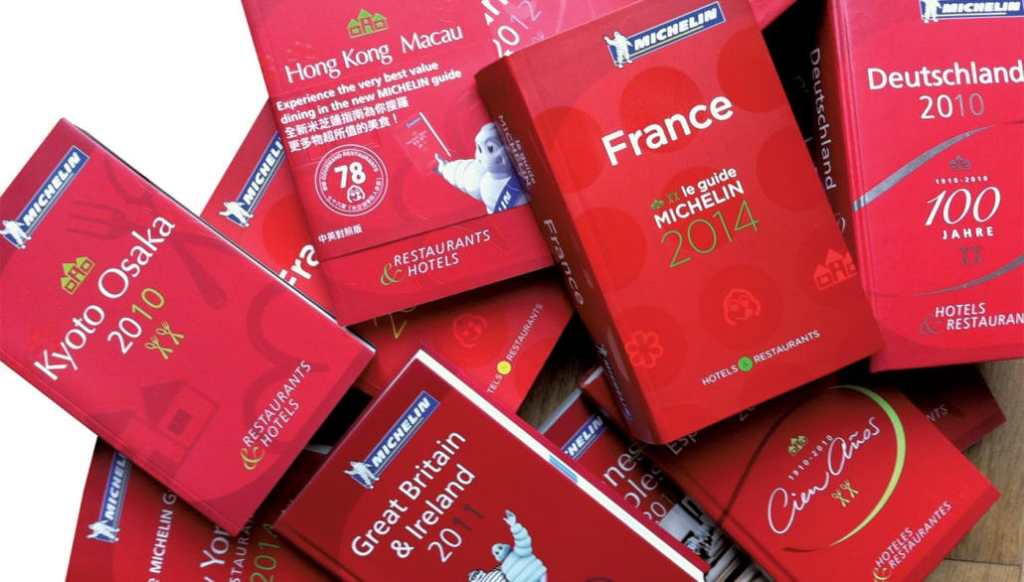
The Origins of the Michelin Red Guide
The Michelin star system originated in 1900, when two French tire manufacturers, André and Édouard Michelin, published the first Michelin Red Guide. The brothers intended the guide as a resource to encourage motorists to take road trips and visit restaurants, thereby boosting tire sales.
The first Red Guide covered France only and highlighted noteworthy hotels and mechanics in addition to restaurants. In 1926, the guide began awarding restaurants with single, double, or triple stars to indicate exceptional cuisine. Over time, the other listings were dropped as the Michelin Red Guides came to focus exclusively on dining establishments. Today, the guides cover dining destinations across the globe and are published in multiple languages.
The Meaning of Michelin Stars
Michelin stars have become the holy grail of culinary achievement. But what do the different star ratings actually signify?
- One star indicates a very good restaurant in its category, offering high-quality cooking worth a stop.
- Two stars represent excellent cuisine that is worth a detour.
- Three stars is the highest distinction, awarded to restaurants with exceptional cuisine that is worth a special journey.
Beyond just delicious food, Michelin stars also reflect a dining experience as a whole, including service, presentation, and ambiance. Losing stars can be devastating to a restaurant, while gaining a star – or stars – brings prestige and usually a major boost in business.
Michelin Inspectors Evaluate Anonymously
Michelin has a team of anonymous professional inspectors who dine incognito and evaluate restaurants based on five criteria:
- Quality of ingredients
- Harmony of flavors
- Mastery of techniques
- Personality of the chef
- Consistency across the entire menu and between visits
Reviews focus on the cuisine itself rather than prestige of a restaurant. Michelin inspectors never identify themselves and their meals are paid for by the company so as not to be recognized or influence service.
The Rarity of Michelin Stars
Michelin stars are notoriously difficult to attain. Receiving just one star is a great achievement. As of the 2020 guide, there were only about 140 three-star restaurants total in the world. Most starred restaurants are concentrated in France and Japan. The United States has far fewer Michelin establishments, with only around 13 restaurants currently holding the highest three-star rating.
However, Michelin stars can be found across the globe. For example, Restaurant de l’Hôtel de Ville in Crissier, Switzerland and Osteria Francescana in Modena, Italy both hold the coveted three stars. This demonstrates the international reach of the guides.
Famous Michelin-Starred Chefs and Restaurants
Some famous Michelin three-star restaurants include:
- Guy Savoy in Paris
- Restaurant Gordon Ramsay in London
- Alinea in Chicago
- The French Laundry in California’s Napa Valley
Renowned chefs who have made their mark in the Michelin guides include Thomas Keller, Alain Ducasse, Anne-Sophie Pic, and the late Joël Robuchon, who holds the record at 32 total Michelin stars throughout his career.
Controversies and Criticisms
While Michelin stars are revered by most in the culinary world, the guides have not been without criticism. Detractors argue that the criteria are outdated and Eurocentric, favoring a formal French dining experience that is stuffy and outdated. However, defenders note that Michelin has made an effort to diversify and showcase more casual dining experiences in recent editions.
Critics also believe the emphasis on Michelin inspectors’ personal opinions makes the stars subjective. Proponents counter that the anonymity and consistency of the inspectors ensures objectivity. And the lack of starred restaurants in some parts of the world like Africa has raised questions about representation. In response, Michelin has expanded its guides to cover more regions, though work remains.
Discovering Local Gems
The Michelin star rating system has come a long way from its beginnings as a marketing tactic for tires. Today, Michelin stars offer prestigious validation of a restaurant’s world-class cuisine. For those wanting to experience Michelin-starred dining, start by exploring top-rated restaurants in your area. You may find a hidden gem worthy of a special culinary journey.
Stay curious, keep exploring. 😊
Enter the world of the vanished and obscure – subscribe below for insights into history’s overshadowed stories.
 I was thinking about...