
I was thinking about…Melungeons
By Andy Lee
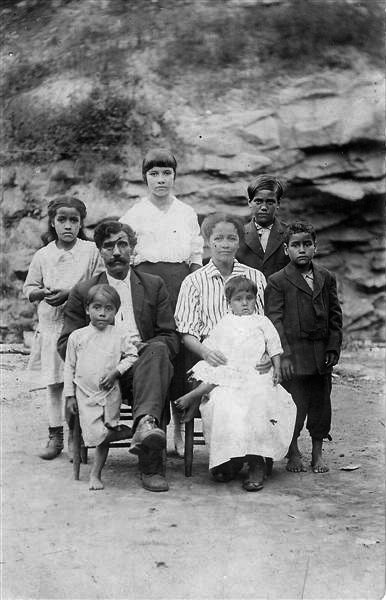
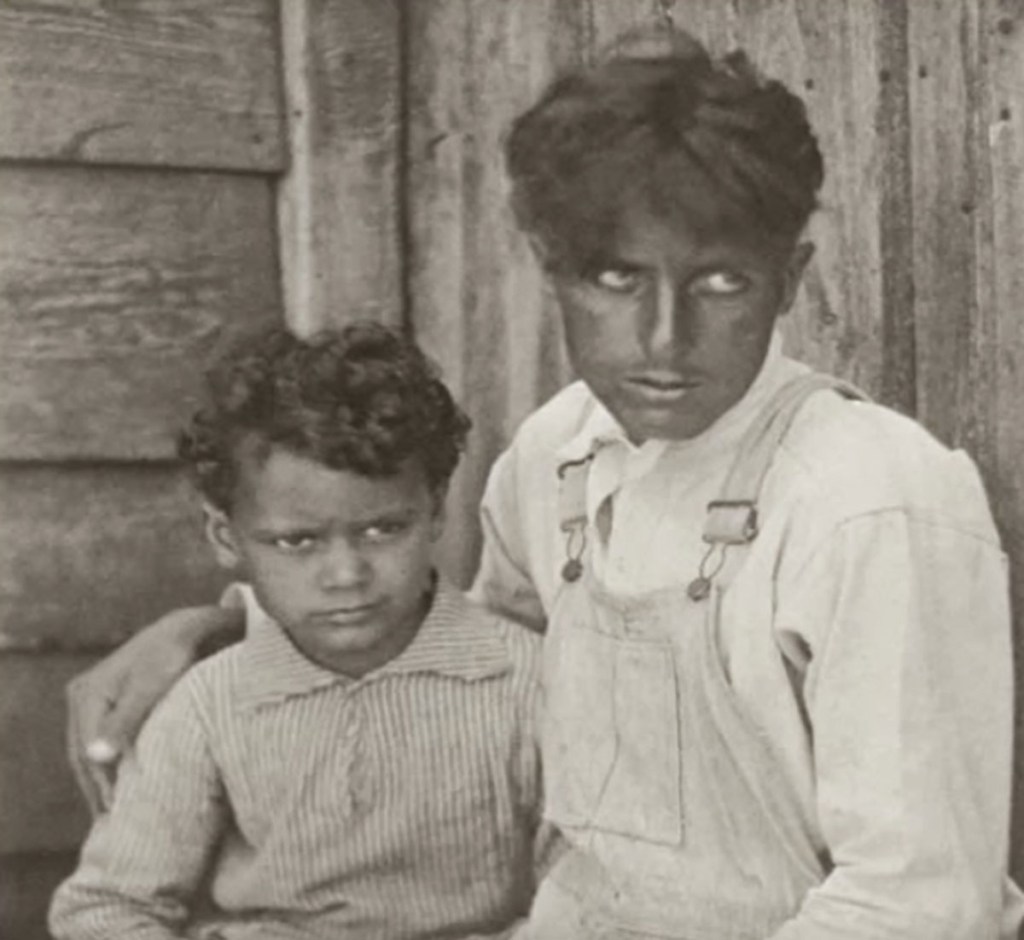
Throughout the remote valleys and hollows of northeastern Tennessee and southwestern Virginia, a mysterious population of dark-skinned, dark-haired residents has lived for centuries. Known as the Melungeons (muh-LUN-juns), their obscure origins and multi-ethnic background make them one of Appalachia’s most fascinating peoples. The term Melungeon, has its roots in the French term, “mélange,” which simply means mixed.
The first Melungeons migrated to frontier Appalachia in the late 1700s, settling in isolated mountain areas along Virginia’s Clinch River and Tennessee’s Hancock County. They were considered an “other” group, neither fully white nor black, inhabiting the margins of society. Where exactly the Melungeons came from remains a mystery lost to time.
Some evidence suggests they descended from indigenous peoples, former slaves, shipwrecked sailors and possibly Sephardic Jews who fled the Spanish Inquisition. Most historians agree the Melungeons’ genesis was multi-ethnic, with ancestors from West African, northern European and Native American groups.
Early Melungeons faced severe discrimination and media sensationalism, often being called a “mongrel race”, and stigmatized as illegitimate savages. But the group developed a strong sense of identity and endured as a distinct subculture in Appalachia’s upper east Tennessee region.
Vardy Valley, near Sneedville, Tennessee became the cultural heart of the Melungeons. One of the first Melungeon settlements, Vardy was named after an English trader who sold goods to the community. Melungeons in Vardy Valley developed unique speech patterns, musical traditions, burial rituals, folk medicine practices and food customs blending European, African, and Native American influences.
Starting in the 1840s, an increase in tin and coal mining throughout Appalachia led to another Melungeon diaspora into Kentucky and West Virginia. Seeking economic opportunity in the mines, many left the Clinch River Valley but retained their distinct heritage.
The Melungeons long suffered from poverty and discrimination, vilified as backward and racially impure. But they persevered by banding together in tight-knit families and remote settlements. Their tenacity was perhaps best embodied by “Free” Frank McWorter. Born into slavery in South Carolina, McWorter purchased his freedom in Kentucky and founded the Melungeon settlement of New Philadelphia in southern Illinois in 1836, which prospered as a progressive, integrated farming community.
Though often marginalized and mysterious, the Melungeons played an integral role in shaping Appalachian history and culture. Their courage, resilience, and fierce independence in the face of intense persecution is a testament to the human spirit. They never fully assimilated, remaining a people apart, carrying on a unique mixed heritage of solidarity, pride, and strength.
Though initially a derogatory term, “Melungeon” morphed into a badge of honor. Today over 40,000 descendants identify as Melungeons. With renewed interest in ancestry, the Melungeons’ complex ethnic mosaic has been untangled through DNA testing, genealogical research, and greater recognition of their place in American history.
Modern Melungeons gather annually in East Tennessee for “Homecoming” celebrations of their heritage. As author Brent Kennedy stated, the Melungeons “turned a slur into a source of pride”. No longer a shadowy people, the Melungeons emerged from the hills of Appalachia to tell a story of survival, perseverance and what it truly means to be American.
Stay curious, keep exploring. 😊
 I was thinking about...