
I was thinking about…The Manhattan Project
By Andy Lee
In 1939, word reached American scientists that Nazi Germany had split the uranium atom. Alarmed that Hitler might develop an atomic “superbomb,” the United States launched the Manhattan Project in 1942.
The scale was unprecedented. At its peak, over 130,000 people worked on the top-secret effort. It absorbed massive resources – an estimated $2 billion, or $23 billion today. Facilities sprang up across the country: Hanford Site in Washington, Los Alamos Laboratory in New Mexico, Oak Ridge in Tennessee. Entire secret cities housed the workers.
Brilliant scientists led the charge. J. Robert Oppenheimer, the “father of the atomic bomb,” directed research. A gifted physicist, he studied Sanskrit and read poetry to balance his scientific mind. Enrico Fermi, a Nobel Prize winner, oversaw the first nuclear chain reaction. Other luminaries included Richard Feynman, an eccentric genius who broke into safes for fun; Leó Szilárd, the Hungarian physicist who first conceived of the nuclear chain reaction; and many more. Despite sexism and racism prevalent at the time, Oppenheimer hired women and minorities for their merit.
Monumental challenges arose. Uranium enrichment was painstaking – a single impurity could wreck the process. Plutonium had never been produced. The precise detonation of such a device had no precedent. Liquid thermal diffusion, implosion detonation, X-ray radiation – ingenious solutions emerged through tireless effort. Oppenheimer motivated all with his energy and intellect.
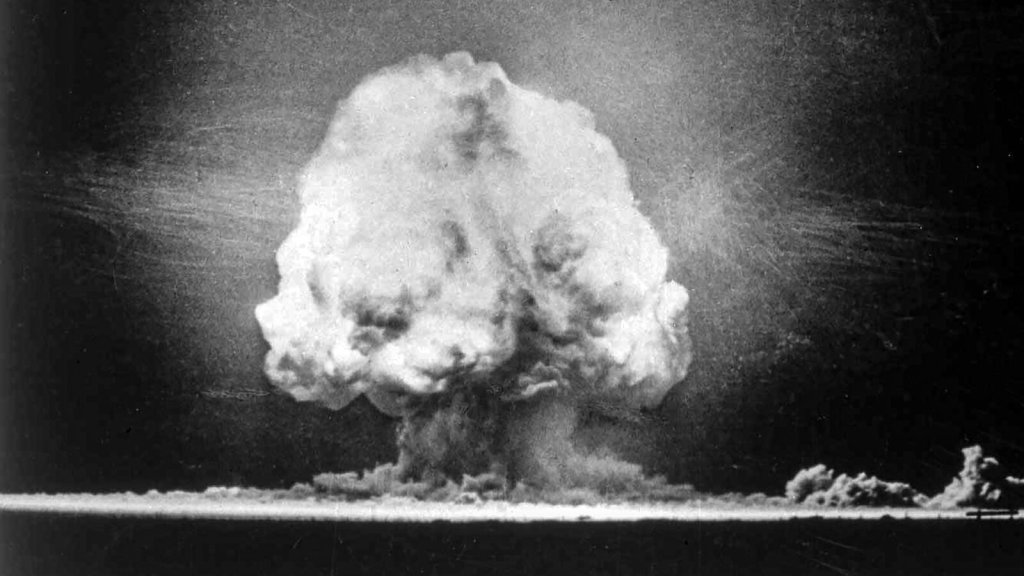
After 3 intense years, the first atomic explosion lit the New Mexico desert on July 16, 1945. Code named “Trinity,” the thunderous blast formed a mushroom cloud 40,000 feet high. Watching his creation, Oppenheimer thought of a Hindu scripture: “Now I am become Death, the destroyer of worlds.”
On August 6 and 9, the fruits of their labor destroyed Hiroshima and Nagasaki. Seismic shockwaves shattered buildings miles away. Searing heat rays ignited temperatures hotter than the sun. Radioactive fallout condemned over 200,000 to gruesome deaths. Yet it finally brought an end to WWII.
The Manhattan Project ushered in the atomic age. The following decades saw an intense arms race between the US and Soviet Union. By 1960, both nations stockpiled enough weapons to destroy civilization many times over.
It also highlighted science’s immense power to shape human destiny. Nuclear energy could one day end fossil fuel dependence. Unchecked, it could annihilate us. Even today, nine nations possess nuclear weapons, an ever-present danger.
Oppenheimer later opposed nuclear proliferation, saying “The atomic bomb made the prospect of future war unendurable.” Debate continues about whether the Hiroshima bombing was ethical. Can weapons of such immense destruction ever be morally justified? The Manhattan Project was a pivotal moment in history – its legacies still shape our world today.
Stay curious, keep exploring. 😊
 I was thinking about...