
I Was Thinking About…Ellis Island
By Andy lee
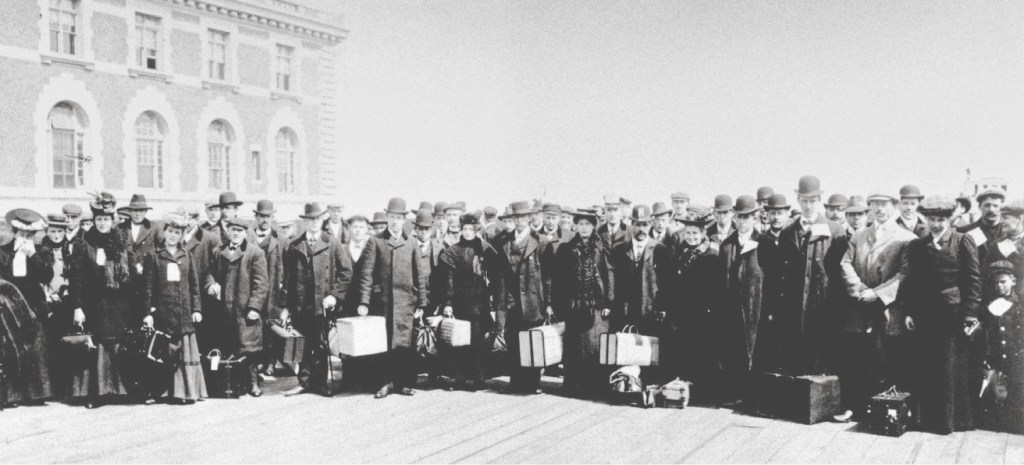
“You asked me where I came from, and I shivered, afraid that I’d give you the wrong answer.” This haunting line from a poem by Jewish Lithuanian immigrant Joseph Rolnick captures the anxiety immigrants often felt arriving at Ellis Island. From 1892 to 1954, this tiny island in New York Harbor served as the nation’s busiest immigration station, processing over 12 million newcomers to America. As I reflect on the fascinating history of Ellis Island, several aspects highlight why it remains an iconic symbol of immigration to this day.
Ellis Island embodied the epic transition many European and other immigrants made from old world oppression to new world freedom. After often arduous journeys by ship, the sight of the Statue of Liberty and Ellis Island evoked euphoria and relief for the “huddled masses yearning to breathe free.” Families anxiously awaited medical and legal examinations determining their ability to begin new lives in America.
The facilities at Ellis Island enabled a rapid influx of humanity. Along with the imposing main building opened in 1900, the island developed extensive infrastructure like hospitals, kitchens, laundries, baths, and dormitories to care for thousands of immigrants daily. Interpreters from around the world facilitated processing. At its peak, Ellis Island processed up to 5,000 arrivals per day, though many stayed only briefly before admission or transfer to deportation proceedings.
This orderly but dehumanizing inspection experience provoked anxiety alongside hope. Terrified parents could have children rejected for health issues and sent back alone. The unskilled and illiterate feared exam questions designed to block the destitute. Rumors of humiliating procedures like the button test for mental fitness terrified newcomers. Officials chalked the coats of those detained for review, stoking fears of permanent separation.
However, most immigrants passed through successfully to reunite with family or begin new lives. Doctors treated minor conditions so those otherwise fit could enter America. Clerks amended names to avoid rejection. And while racism barred many ethnicities, millions found liberty and possibility on these shores thanks to Ellis Island. They dispersed by train and ship to cities and towns where they built communities and fueled America’s economic and cultural development.
After closure in 1954, Ellis Island fell into abandonment and disrepair, as if mirroring the faltering appeal of American immigration post-war. But restored exhibits and oral histories rekindled interest in this neglected landmark. Today tourists flock to Ellis Island to glimpse records of ancestors who passed through its halls, gaze at the Manhattan skyline as they did, and pay tribute to the sacrifice undertaken for a chance at rebirth.
The ghosts of Ellis Island seem to whisper both welcome and warning to visitors. They welcome the historic diversity that makes America exceptional and strong. But they warn against rejecting that diversity out of xenophobia and prejudice. Ellis Island represents the constant struggle to balance fear of the foreign with the pragmatic need for immigration, playing out generation after generation.
The narrowed opportunities and harsh judgment faced by today’s immigrants reflect back on those first awed arrivals. Whether from Italy or Guatemala, the longing for safety, dignity and possibility persists. Few places capture the highs and lows of the immigrant heart more poignantly than Ellis Island. All Americans owe some debt to those who passed through its gauntlet seeking little but a place to work hard and make better lives. We must uphold that spirit by embracing new cultures and peoples while also learning from the past.
Stay curious, keep exploring!
 I was thinking about...