
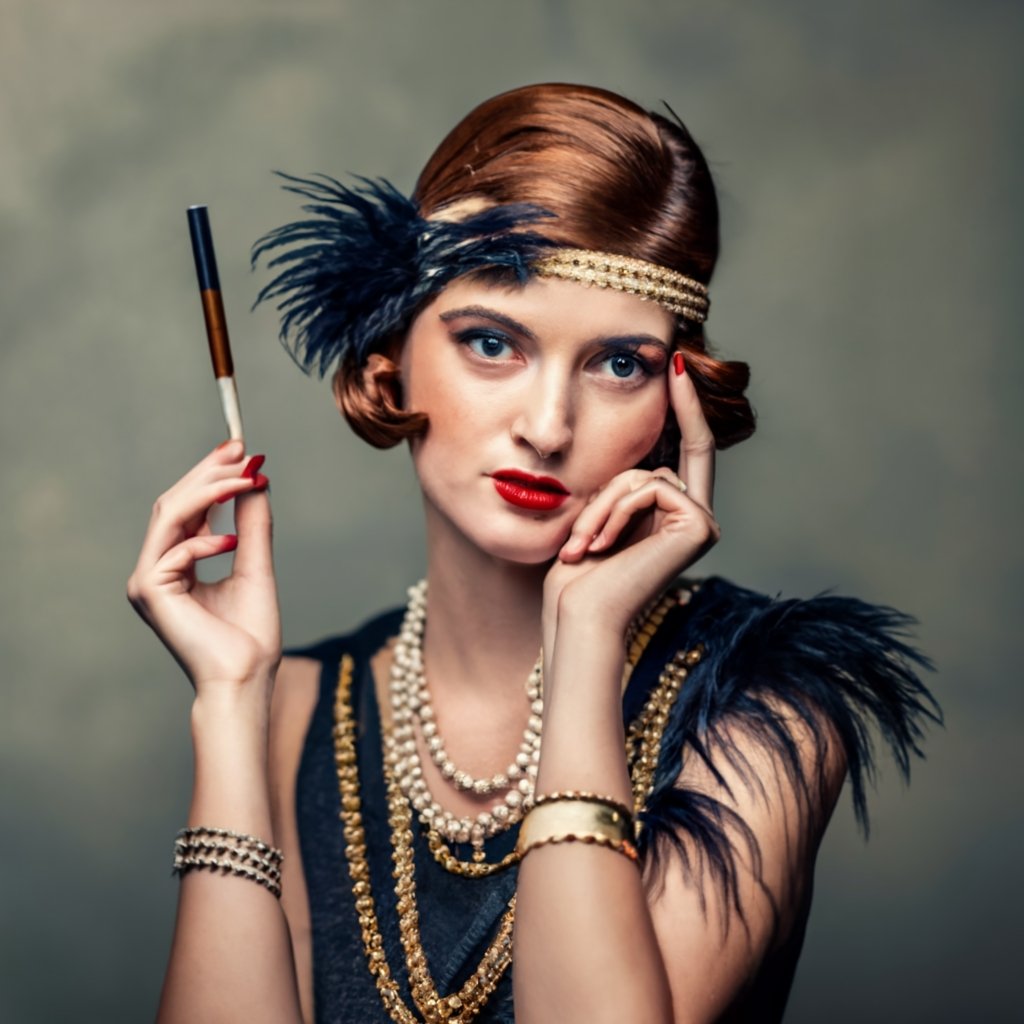
I Was Thinking About…The Roaring ’20s
The 1920s have been interesting to me ever since I first learned about the freewheeling culture and seismic societal shifts of this vibrant decade. Though it was 100 years ago, the Roaring ’20s laid the groundwork for modern American life in so many ways. As I reflect on this pivotal period, a few themes catch my imagination: the jazz revolution in music, the emergence of exuberant new fashions and gender roles, and how technological innovations helped usher America into the modern age.
Jazz was arguably the soundtrack of the 1920s. Emerging from New Orleans, this modified musical style became all the rage in dance halls, speakeasies, and living rooms across America. Jazz was revolutionary—improvisational, energetic, steeped in African American influences. The spread of early jazz recordings by artists like Louis Armstrong brought the music to new audiences. The popularity of danceable jazz rhythms inspired new dances like the Charleston, Lindy Hop and Black Bottom.
Legendary venues like the Cotton Club in Harlem featured black jazz performers playing to white patrons late into the night. Jazz bandleaders like Duke Ellington became icons through coast-to-coast radio broadcasts from New York’s Cotton Club. Women like Ella Fitzgerald and Billie Holiday entered the male-dominated world of jazz, dazzling audiences with their soulful voices and technical mastery.
Prohibition outlawed liquor sales, but illicit speakeasies proliferated where flappers could dance and listen to the latest jazz records. The music was synonymous with wild, unconstrained nightlife in the popular imagination. To many older Americans, jazz seemed strange, dangerous even—a far cry from genteel ballroom dances of the past. But to young audiences, it was the sound of freedom, passion, and modern urban living.
As jazz reshaped the soundscape, the flapper revolutionized female fashion and attitudes. Flappers wore shapeless shift dresses and bobbed hair, flouting traditional standards of feminine appearance and behavior. These cosmopolitan women frequented jazz clubs, drove cars, smoked cigarettes, drank liquor, and were more open about dating and sexuality compared to past generations.
Flappers were associated with slang, irreverent jokes, and a disdain for what they considered pointless social rules. Their sense of style and newfound independence inspired both admiration and outrage across America. Celebrity flappers like silent film star Clara Bow became role models to girls rebelling against strict expectations. Events like the Women’s Suffrage movement helped create an atmosphere where assertive new personas like the flapper could flourish.
Of course, most women did not fully adopt the carefree flapper lifestyle. But even conservative women often embraced elements like looser dresses with higher hemlines, dramatic makeup, and socializing in public without male chaperones. For many, the iconic flapper represented changing times, discarding 19th century strictures around gender to embrace a world filled with possibilities.
Dynamic technological advances drove much of this cultural momentum, especially the explosive growth of mass media. Radios became ubiquitous fixtures in homes across the country. The first commercial radio stations like Pittsburgh’s KDKA brought music and news into living rooms. Soon over 60% of American households had a radio. Broadcasts made events feel national in scope for the first time.
Alongside radio came the rapid spread of household electricity, automobiles, refrigerators, washing machines and other appliances that made daily life faster and more convenient. Motion pictures evolved from silent black-and-white films into “talkies” with sound, color, and elaborate production values by the end of the 1920s. Stars like Charlie Chaplin and Greta Garbo became household names.
With car ownership tripling, motion pictures, appliances, radios and magazines, consumer culture was born. Smart advertisers utilized mass media to market everything from cigarettes to cosmetics. Billboards, urban neon signs and store window displays promoted consumer dreams. New leisure activities like amusement parks also flourished.
The 1920s reshaped America from a nation of small rural towns into a society of consumers, urban dwellers, and media participants. While only a privileged fraction enjoyed all the trappings, the majority participated through radio shows, films, and popular fashions. Together, these influences made culture feel more vibrant yet homogeneous.
Beneath the glitz lurked social conflicts and contradictions, of course. Racism and segregation persisted, with black jazz innovators often marginalized. Women gained social standing but could still not vote until the end of the decade. The Ku Klux Klan’s hatred brewed alongside liberal shifts. And the stock market crash in 1929 led to immense suffering for millions.
But in balancing light and shadows, the mythic, creative spirit of the Jazz Age perseveres. It remains an object of fascination because its exploding culture and technologies feel familiar yet disparate, at once deeply American yet tinged with echoes of Paris and Harlem. The Roaring ’20s stand out as a bridge between eras when social rigidity collapsed into a whirlpool of invention, dissent, and liberation. We are still untangling the contradictions and living amid the innovations set loose in those 12 fervent years. When I listen to Duke Ellington, study vintage flapper dresses, or watch Casablanca, I marvel at this time capsule that contains multitudes, speaks across generations, and still defines so much of modern life. The roaring 1920s were America’s coming of age.
Stay curious, keep exploring!
 I was thinking about...