
I was thinking about…Discovering The Real Legacy of John Muir, Father of National Parks
By Andy Lee
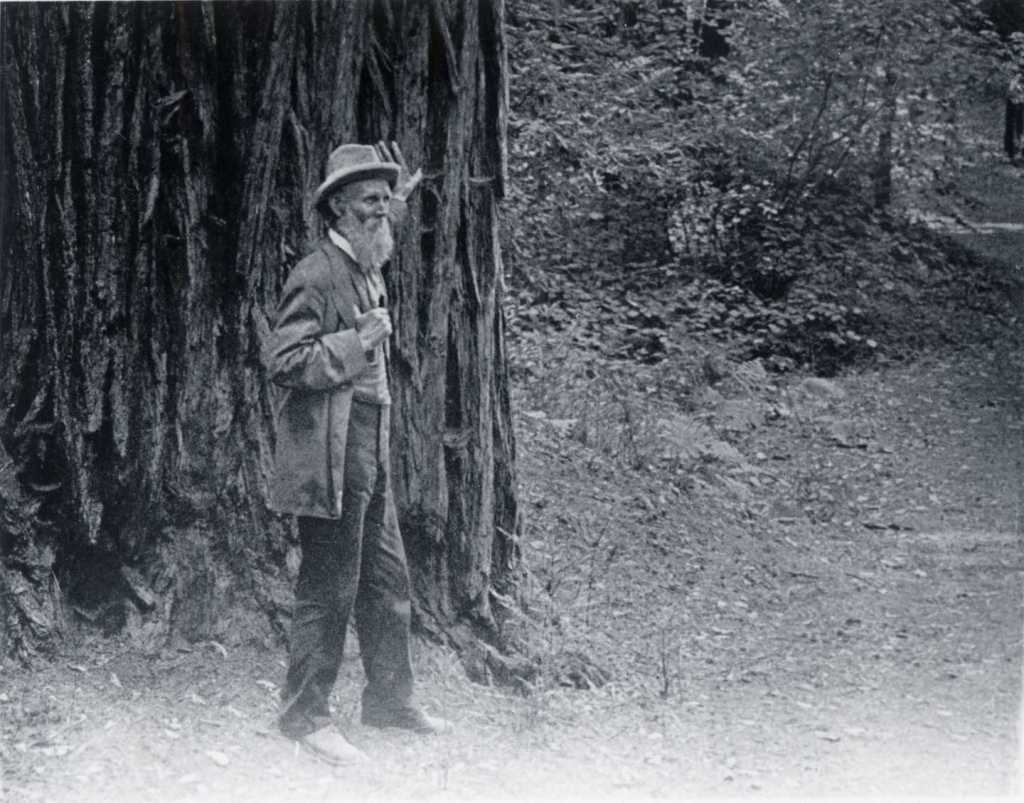
When I reflect on the immense national treasures that are America’s iconic wild lands, I’m reminded of the monumental role one pioneering conservationist played in preserving these extraordinary yet threatened places for future generations – John Muir.
As an immigrant from Scotland who fell deeply in love with the raw, untamed natural beauty he found in the American West, Muir devoted his life to ensuring these stunning landscapes were protected for posterity. Through his influential writings and tireless advocacy, he brought these majestic but vulnerable places into the public consciousness.
Born in 1838 in Dunbar, Scotland, Muir’s childhood instilled in him a passion for nature. As a young man, he traveled to America in 1849 in search of “spring flowers, freedom, and wilderness.” He was awestruck by the lush forests, stunning valleys, and grand mountains he encountered, describing Yosemite as “one of Nature’s rarest places.”
But Muir soon realized that many of these natural wonders were in jeopardy, facing destruction from rapid development. As logging, grazing, mining and tourism escalated in the late 1800s, he grew alarmed at the devastation of pristine lands. In his writings, Muir vividly captured the damage being done to once-untouched places:
“The woods and gardens are sadly hacked and trampled…the pines are ruthlessly buried in the pits and ditches dug for gold.” (My First Summer in the Sierra, 1911)
Muir leveraged his skills as a writer to sway public opinion and policy. In influential magazines and books, he made an impassioned case for permanently protecting landscapes like Yosemite, Mount Rainier, Petrified Forest and the Grand Canyon as national parks. His rallying cry to save these iconic places moved many, compelling action from Congress and U.S. Presidents.
Thanks in significant part to Muir’s efforts, Yosemite was designated a national park in 1890. He later co-founded the Sierra Club in 1892 to continue conservation work, furthering his impact. But beyond just preserving lands, Muir wanted people to meaningfully experience them. His writing invited society into the natural world with vivid descriptions like this:
“Climb the mountains and get their good tidings, Nature’s peace will flow into you as sunshine flows into trees.” (Our National Parks, 1901)
In 1903, Muir personally guided President Theodore Roosevelt on a camping trip to Yosemite. While exploring together, he convinced Roosevelt to use federal powers to protect vast areas of forest and scenic lands. Roosevelt went on to establish 150 national forests, 51 wildlife refuges and 5 new national parks during his presidency.
Muir’s legacy still permeates America’s beloved parks today. His vision uniquely recognized the deeper connections between all living things – the streams, soil, wildlife and trees as interdependent parts of a greater whole. Muir fundamentally understood that losing singular natural wonders would diminish the entire interconnected system. His foresight still awes and inspires.
While John Muir passed away over a century ago in 1914, his impact continues. Whenever we pitch a tent under the stars, gaze up at a sequoia’s towering height or watch wildlife roam freely, we’re experiencing the fruits of his labor. From Acadia to Zion, Muir’s fingerprints remain all across America’s treasured public lands.
So next time you venture into the redwoods, canyons, or trails of a national park, take a moment to appreciate John Muir. His visionary activism made these landscapes accessible for all. We each have a role to play in continuing his fight to preserve wild places wherever they still exist.
As Muir wrote, “None of Nature’s landscapes are ugly so long as they are wild.” May we help keep them that way.
Stay curious, keep exploring!
 I was thinking about...