
I was thinking about…John Frederick Parker
By Andy Lee
I was thinking about the story of John Frederick Parker, and it really gets the gears turning about human mistakes and how much responsibility can weigh on someone. Even though the huge event he was part of tends to overshadow his role, taking a closer look at what went down gives some serious food for thought.
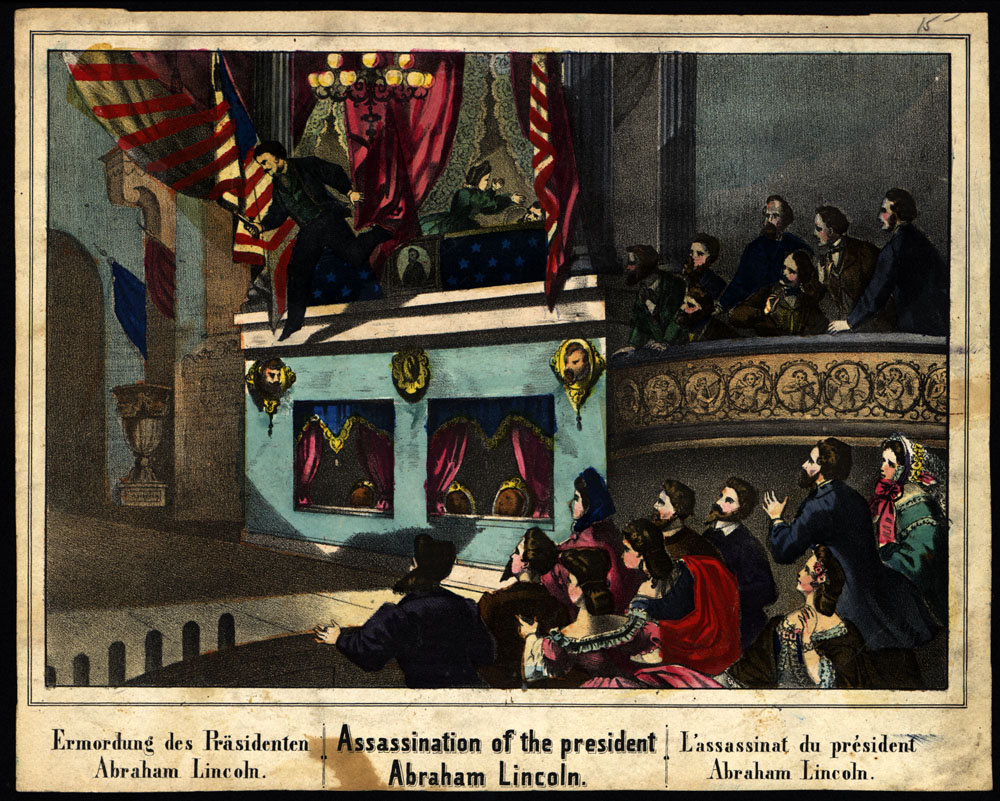
Parker was a Washington D.C. cop, born in 1830. On April 14, 1865, he was one of four officers picked to guard President Lincoln when he went to see a show at Ford’s Theatre. That night ended up a pivotal moment in history when Lincoln was assassinated by Booth.
But when you analyze Parker himself, it’s not just that he happened to be present for that major event. It’s also his specific actions, and inactions, leading up to it that are compelling.
See, Parker had some disciplinary issues on the police force. He’d been suspended multiple times for not fully doing his duties. But even so, he got assigned to protect one of the nation’s most important leaders.
On the night Lincoln was killed, Parker was stationed right outside the door to the President’s theater box, meant to monitor anyone trying to enter. But reports say Parker left his post during intermission. Some accounts suggest he went with Lincoln’s footman and coachman to get a drink at a nearby bar.
With the entry unguarded, Booth was able to get into the box and shoot Lincoln at near point-blank range.
Needless to say, the aftermath was explosive. Parker was widely condemned for negligence and failing to stay alert on the job. At first, he was charged over it, though eventually exonerated officially by the police department itself. But in the public’s mind, he was unforgivably guilty. His reputation was left in shreds.
Parker kept serving as an officer for a few more years until being let go in 1868 for sleeping during his shift. Not much is known about the remainder of his life. He seems to have disappeared into obscurity. He passed away in Washington D.C. in 1890.
At a glance, it can be tempting to see Parker as just a minor character in the more prominent story of Lincoln’s murder. But taking a more thoughtful look at his role reveals some impactful insights on human nature and responsibility.
Parker’s decision to leave his duty station, even if it seemed insignificant in the moment, directly enabled a literally historic tragedy. It spotlights how even small lapses can spiral into massive consequences when it comes to protecting human life.
Moreover, the lessons from Parker spread further than just what happened that night. His choices force us to reflect on how seriously we take all of our responsibilities, big and small. How much diligence and care do we give the tasks we’re entrusted with, whether at work or in our personal lives? Could we be more committed to living up to others’ trust in us? Parker’s tale warns against complacency when you have a duty to carry out. It pushes us to examine our own lives and whether we’re fully devoted to the roles we take on.
Parker’s story stands as a sobering reminder that our actions, and inactions, can impact things far beyond what we may see in the present. There is real power in remaining vigilant and dutiful, even when a job appears mundane at the time. Parker shows that you can never be too careful with responsibility, as one mistake can lead to tragedy. His legacy prompts deep reflection on doing right, working tirelessly, and how every choice can ripple out in ways we may not expect or intend.
So those are the thoughts swirling around in my mind about John Frederick Parker and the big lessons his story surfaces on human fallibility and what can unfold when diligence is lacking. Definitely gives some important perspective.
Stay curious, keep exploring.
 I was thinking about...