
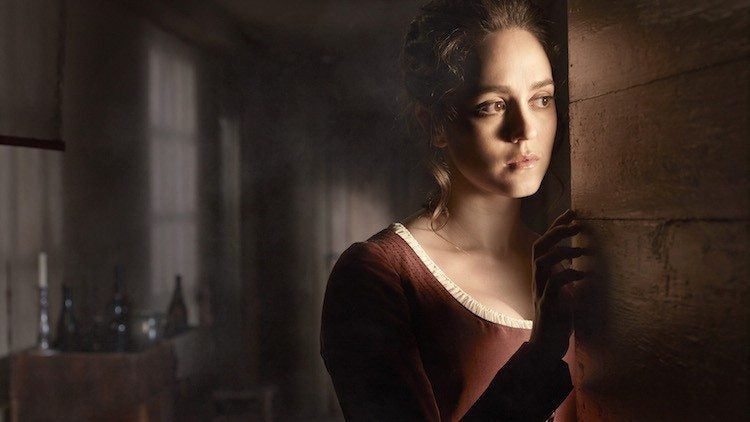
I was thinking about…The Spies Among Us: Women in Espionage During the American Revolution
By Andy Lee
So, I was reading about the American Revolution the other day, and I was struck by how many women were involved in espionage. I mean, I knew that some women had been spies, but I didn’t realize how many there were or how important their role was. It turns out that women were involved in espionage on both sides of the war. They used their gender to their advantage, often dressing as men or posing as servants or merchants to gain access to British strongholds. They also used their networks of friends and family to gather information and pass it along to the Patriots. When we think about the Revolutionary War, we usually picture dramatic scenes of battlefield heroism, stirring speeches, and Founding Fathers’ political maneuvers. But today, let’s talk about the women spies used at the time.
In the midst of the late 18th-century chaos, women found themselves with a distinct advantage. Society largely underestimated them due to the gender norms and expectations of the day. This gave them the perfect cover to work as spies, with both the British and American forces none the wiser. In these roles, they smuggled vital intelligence, influenced key figures, and sometimes even risked their lives, all while navigating their domestic duties.
One of the most famous female spies of the Revolution was Anna Strong. She was a member of the Culper Spy Ring, which was one of the most successful intelligence networks in American history. Strong used her position as a matron in Setauket, New York, to gather information about British troop movements and plans. She would then pass this information along to her fellow spies, who would then relay it to General George Washington.
Another one was Lydia Darragh, an unassuming Quaker housewife from Philadelphia. Lydia’s house was often used for meetings by British officers during their occupation of Philadelphia, putting her in a unique position to overhear classified military intelligence. Lydia developed a system where she would pretend to be knitting or tending to her children while really listening to the plans of the British officers. She would then transcribe this information into coded notes, which her son, a Patriot lieutenant, would smuggle out hidden in the buttons of his coat.
Across the colonies, in New York, Agent 355 was another woman who made her mark in the world of Revolutionary espionage. The identity of Agent 355, who worked for the famed Culper Spy Ring, remains a mystery to this day. But, her contributions were crucial. It’s believed that she was instrumental in the exposure of Benedict Arnold’s traitorous plans to surrender West Point to the British.
Down South, we meet Emily Geiger, a young woman from South Carolina. When General Nathanael Greene needed a message delivered through territory infested with British soldiers, Emily volunteered. Eventually captured by the British, Emily was held in a room to be searched by a woman officer. While waiting for the officer, Emily ate the letter piece by piece, destroying the evidence of her mission. Released due to lack of evidence, she continued her journey and delivered Greene’s message from memory, successfully completing her mission.
It’s also worth mentioning the indirect, but powerful, influence exerted by women like Peggy Shippen Arnold. Peggy, the second wife of Benedict Arnold, was loyal to the British cause and used her influence over her husband to facilitate his treason. Though not a spy in the traditional sense, her actions were an important factor in one of the most famous betrayals in American history.
This exploration of women in Revolutionary espionage is just the tip of the iceberg. These stories highlight a few of the brave women who chose to play an active, albeit clandestine, role in the American fight for independence. They stepped beyond the confines of their conventional roles and, in the process, forever etched their names into the fabric of our nation’s history. While some of their identities remain shrouded in mystery, their actions serve as a reminder that history often has hidden layers waiting to be discovered.
So, next time you’re reading about the American Revolution, be sure to remember the women who played a vital role in the war effort. They were spies, messengers, and scouts, and they helped to secure American independence. Their actions teach us that anyone, regardless of their position in society, can make a difference. So remember, history isn’t just about the grand events and famous figures—it’s also about the unsung heroes whose actions echo silently through the ages.
Stay curious, keep exploring.
 I was thinking about...