
I was thinking about…In the Footsteps of Lewis and Clark: The Untold Story of Their Expedition
By Andy Lee
Hello, my friends,
Settle in with your favorite cup of coffee or tea as we journey together through a chapter of American history. The narrative we’ll delve into today is an untold one that sits like a shadow behind the brighter, more popular stories of the infamous expedition of Meriwether Lewis and William Clark.
The Lewis and Clark expedition, often branded as the Corps of Discovery, began in 1804 and extended to 1806. President Thomas Jefferson commissioned this venture shortly after the Louisiana Purchase. The mission was to explore the newly acquired western territories, but there was so much more to the story than what the broad strokes of history depict.
Firstly, let’s debunk a common misconception. This expedition wasn’t exclusively composed of Lewis and Clark. They were indeed at the helm, but a team of skilled individuals, dubbed the “Corps of Volunteers for Northwestern Discovery,” accompanied them. It’s important to remember the contributions of those whose names don’t headline the journey.
The Corps was a diverse group of people, including soldiers, a blacksmith, a gunsmith, carpenters, scouts, and boatmen, and even included Clark’s personal slave, York. Each member was essential in ensuring the success of this audacious expedition. York, for example, often drew curiosity and respect from Native American tribes they encountered, which sometimes facilitated diplomacy.
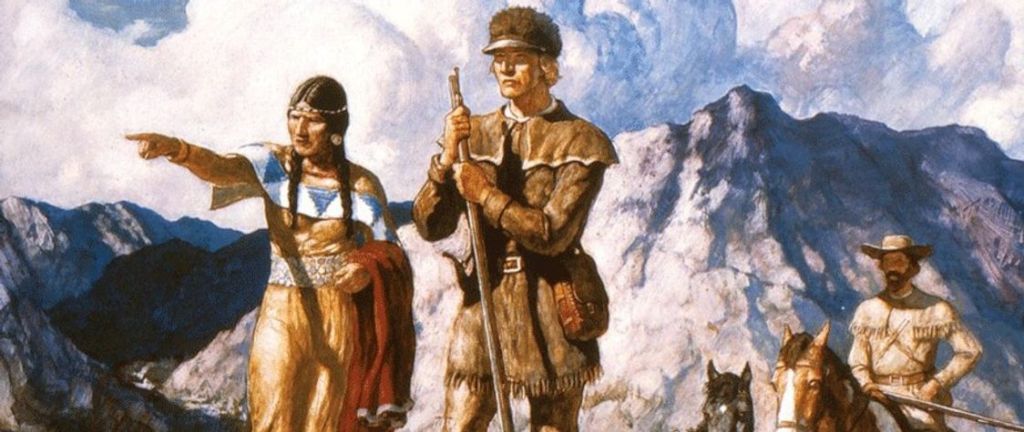
Another member, the unsung heroine Sacagawea, played a critical role in the expedition’s success. A Lemhi Shoshone woman, Sacagawea, acted as an interpreter and guide, utilizing her knowledge of the territory and her cultural expertise. She was invaluable, providing significant contributions that have only recently begun to be truly appreciated.
Moving forward, the expedition’s narrative often portrays a somewhat simplistic journey, but this was far from reality. The Corps faced a plethora of challenges along the 8,000-mile trek. The sheer diversity of landscapes and ecosystems they traversed was astounding. They navigated the vast plains, towering Rocky Mountains, treacherous rapids of rivers like the Columbia and Snake, and the thick woods of the Pacific Northwest.
Survival, in these conditions, required a combination of preparation, adaptability, and skill. The Corps learned to identify and exploit the available resources for sustenance and medicinal purposes. They foraged for edible plants, hunted game, and traded with local Native American tribes for food, horses, and information.
Among these interactions, however, the story often forgets the substantial influence of the Native American tribes on the expedition’s success. Beyond their roles as traders, the tribes provided vital knowledge about the land, its resources, and the safest routes. Without this shared wisdom, the outcome of the expedition could have been drastically different.
What’s often glossed over as well is the impact of the expedition on these tribes. The introduction of new trade goods, technologies, and diseases significantly altered the way of life for many Native American communities. As we remember the achievements of the Lewis and Clark expedition, we must also reflect on the unintended consequences that this venture had on the indigenous peoples.
Lastly, the return journey of the Corps of Discovery is typically eclipsed by the outbound trek. But the return trip was no less remarkable. Despite their hardships, the Corps returned with a wealth of knowledge that shaped our understanding of the American West. They produced comprehensive maps, identified new animal species, and provided invaluable observations about Native American cultures.
The Lewis and Clark expedition remains a pivotal point in American history, but it’s crucial to remember the untold story. The unheralded members of the Corps, the indispensable aid of Native American tribes, and the expedition’s real costs are all part of a narrative that deserves attention. By understanding these facets, we gain a richer and more nuanced perspective of this epic journey of discovery.
Until next time, keep your curiosity aflame and your thirst for knowledge insatiable. Here’s to never-ending learning, and as always, thank you for joining me on this journey through the fascinating tales of history.
Step off the beaten path of known history, and wander into the pages of “I Was Thinking About…” Your adventure awaits. #iwasthinkingabout #curiositymeetshistory #historybuff #booklovers #andylee #HiddenHistory
Get yours today!
 I was thinking about...