
I was thinking about…
The Secret Mission of Harriet Tubman: How She Helped End the Civil War
By Andy Lee
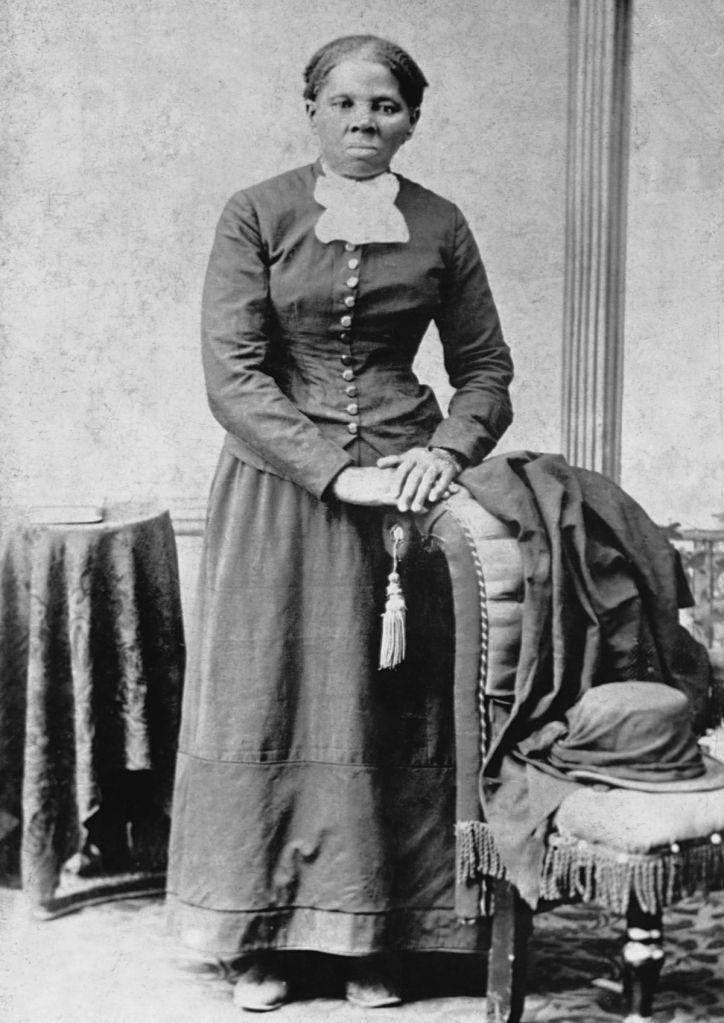
Harriet Tubman, the woman who is widely remembered for her heroic efforts leading enslaved people to freedom through the Underground Railroad, has an aspect of her life that is often overlooked: her significant role in the Civil War. This unsung chapter in Tubman’s history further cements her legacy as a monumental figure in the fight for equality and freedom.
Tubman’s contributions to the Civil War have been left in the shadows of history. Still, they played an instrumental role in tipping the scales in favor of the Union, proving her as not just a brave abolitionist but also a skilled tactician and strategist. Her work was instrumental in the South’s defeat, setting the stage for the emancipation of countless enslaved African Americans.
In early 1862, after the Civil War had begun, Tubman volunteered for the Union as a nurse, cook, and laundress, but her role quickly grew far beyond these initial duties. Given her experience with covert operations from her time running the Underground Railroad, she was a natural fit for spy work. Tubman was soon conducting reconnaissance missions in South Carolina under the auspices of the Union Army.
Working as a Union spy, she would dress as an older woman and use her connections with local slaves to gather valuable intelligence about Confederate plans and defenses. The information she gleaned from these dangerous missions was invaluable, allowing Union forces to plan attacks and ambushes with an edge over their Confederate foes.
Tubman’s most significant contribution to the Civil War came in June 1863 when she led the Combahee River Raid. Armed with her collected intelligence and local knowledge, she guided three Union gunboats around Confederate mines in the river. Accompanied by several hundred black soldiers from the 2nd South Carolina Regiment, they freed over 700 slaves from plantations along the river. It was the first time in U.S. history that a woman led a military expedition.
The Combahee River Raid not only liberated hundreds of enslaved individuals, but it also dealt a considerable blow to the Confederacy’s morale and economic structure, which relied heavily on slave labor. Moreover, many of the freed men joined the Union Army, further depleting the Confederate workforce and boosting Union forces.
The raid was a major turning point in the Civil War, proving the effectiveness of Tubman’s guerilla tactics and damaging the Confederate economy. Tubman’s mission helped lay the groundwork for total abolition, given that many northern abolitionists used the success of the raid to argue that ending slavery was a strategic necessity to win the war.
Yet, despite her immense contributions, Tubman never received any formal recognition from the government during her lifetime. She was denied a military pension for many years and had to fight for recognition and compensation for her efforts in the war.
Harriet Tubman’s work in the Civil War was a crucial part of the overall effort to end slavery in the United States. Her strategic intelligence, relentless courage, and unwavering commitment to freedom turned the tide in the Union’s favor, and her actions have forever shaped the nation. As we remember her life and legacy, it is essential to honor and recognize her pivotal role in the Civil War.
“I Was Thinking About…” where curiosity meets history.
Curious for more? My book ‘I Was Thinking About…’ uncovers even more hidden treasures of history, people, and places.
Grab your copy today:
 I was thinking about...