
I was thinking about…
Surgical First Assistants: Unsung Heroes in the Operating Room
In the complex and intricate world of surgery, there are a multitude of healthcare professionals working together seamlessly to ensure the best possible outcomes for patients. Among these dedicated individuals are Surgical First Assistants, often referred to as Surgical First Assistants (SFAs) or Surgical Assistants (SAs). While they may not always be in the spotlight, their vital role in the operating room is invaluable.
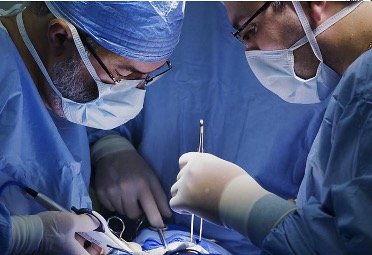
Surgical First Assistants are highly skilled healthcare professionals who work alongside surgeons during surgical procedures. They provide direct assistance to the surgeon, playing a crucial role in maintaining a sterile field, assisting with surgical instruments, controlling bleeding, suturing incisions, and ensuring optimal patient safety. Their expertise and training allow them to anticipate the surgeon’s needs, enhance efficiency, and contribute to the overall success of the surgical procedure.
To become a Surgical First Assistant, individuals typically undergo specialized training and certification programs. These programs provide comprehensive instruction in anatomy, surgical techniques, perioperative patient care, and the principles of aseptic technique. SFAs may come from various healthcare backgrounds, including registered nurses, physician assistants, or surgical technologists, who have pursued additional education and training specific to surgical assisting.
During a surgical procedure, the Surgical First Assistant works in close collaboration with the surgical team, including the surgeon, nurses, anesthesiologists, and other healthcare professionals. They provide continuous support and anticipate the surgeon’s needs, ensuring the smooth flow of the procedure. This allows the surgeon to focus on the critical aspects of the surgery while relying on the expertise and assistance of the SFA.
In addition to their technical skills, Surgical First Assistants also possess strong interpersonal and communication abilities. They must be able to effectively communicate with the surgical team, maintain clear and concise documentation, and ensure that all equipment and supplies are readily available. Their ability to remain calm under pressure and adapt to rapidly changing situations is paramount in the dynamic environment of the operating room.
While the focus of attention in the operating room is often on the surgeon, it is important to recognize the significant contributions of Surgical First Assistants. They are dedicated professionals who play an essential role in enhancing patient outcomes, minimizing complications, and promoting efficient surgical practices. Their expertise, technical skills, and commitment to excellence contribute to the overall success of surgical procedures.
In the fast-paced world of surgery, Surgical First Assistants are the unsung heroes who work diligently behind the scenes, ensuring that every aspect of the procedure runs smoothly. Their dedication, knowledge, and unwavering commitment to patient care make them indispensable members of the surgical team.
So, the next time you find yourself in an operating room, take a moment to acknowledge the vital role of the Surgical First Assistant. Their unwavering dedication and expertise are instrumental in transforming complex surgical procedures into successful outcomes.
“I was thinking about…” shines a light on the remarkable contributions of Surgical First Assistants, honoring their essential role in the world of surgery. Join us as we celebrate these unsung heroes and gain a deeper appreciation for their invaluable contributions to patient care.
“I was thinking about…” – where surgical excellence meets the heart of healthcare.
 I was thinking about...