
I was thinking about…
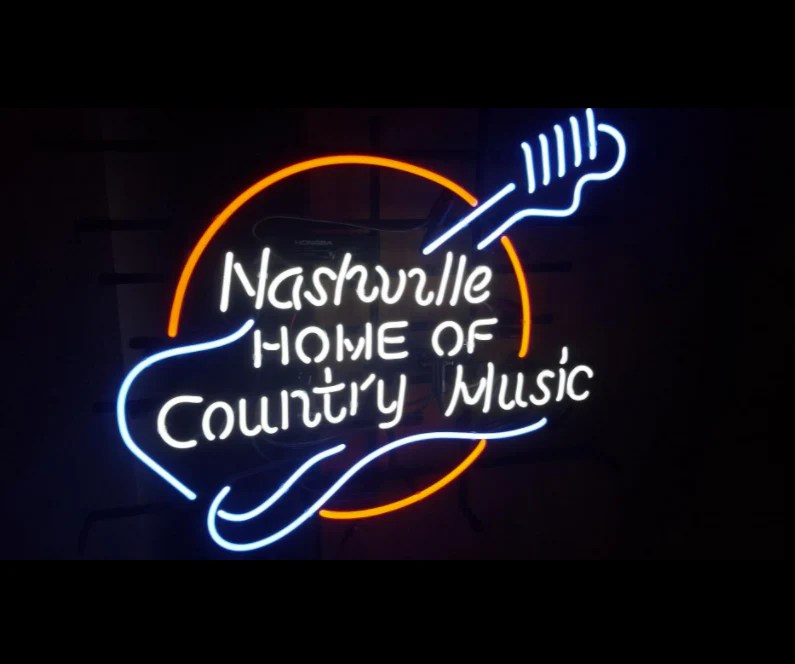
Nashville the Home of Country Music
By Andy Lee
Nashville, Tennessee has long been known as the home of country music. But how did this small city in the south become the epicenter of one of America’s most beloved musical genres? The story of Nashville’s rise to prominence in the world of country music is a fascinating one, full of colorful characters, cultural shifts, and moments of serendipity.
The roots of Nashville’s association with country music can be traced back to the early 20th century. At the time, the city was a bustling center of commerce, with a thriving music scene that encompassed everything from blues and jazz to gospel and hillbilly music. As the popularity of radio grew in the 1920s and 1930s, Nashville’s musicians began to take notice. They saw radio as a way to reach a wider audience and showcase their unique sound to the world.
One of the earliest and most influential figures in Nashville’s country music scene was George D. Hay, a radio announcer who started a program on the WSM radio station called the “WSM Barn Dance” in 1925. The program featured a mix of music genres, but its hillbilly performers soon became the main attraction. In 1927, the show was renamed the “Grand Ole Opry,” and it quickly became a cultural institution. The Opry brought national attention to Nashville’s country music scene, and it helped to launch the careers of many of the genre’s most famous stars.
Another key figure in the development of Nashville’s country music scene was Owen Bradley. Bradley was a producer and recording engineer who worked with many of the biggest names in country music, including Patsy Cline, Loretta Lynn, and Conway Twitty. Bradley’s work helped to create the “Nashville sound,” a polished and sophisticated style of country music that appealed to a wider audience. This sound became synonymous with Nashville’s country music scene and helped to cement the city’s reputation as the capital of country music.
Nashville’s country music scene continued to grow and evolve throughout the 20th century. The city’s recording studios and music publishers attracted a steady stream of talented musicians and songwriters, and Nashville’s famous honky-tonks and clubs provided a lively and supportive environment for performers to hone their craft. In the 1980s and 1990s, Nashville’s country music scene experienced another wave of growth and popularity, thanks to the rise of new stars like Garth Brooks and Shania Twain.
Today, Nashville’s country music scene is stronger than ever. The city is home to the Country Music Hall of Fame and Museum, which celebrates the history and cultural significance of country music. The city’s music venues and clubs continue to attract talented musicians and enthusiastic audiences, and Nashville’s recording studios are still among the most famous in the world.
In the end, the story of how Nashville became the home of country music is a testament to the power of cultural heritage and the importance of community. Nashville’s musicians, producers, and fans have worked together over the decades to create a musical legacy that is uniquely American. As the city continues to grow and evolve, its country music scene remains a vital part of its identity and a source of inspiration for generations to come.
 I was thinking about...