
I was thinking about…
County/State Fairs
By Andy Lee
County and state fairs are a staple of American culture, attracting millions of people every year to enjoy the festivities, food, and entertainment. These fairs have a rich history that dates to the early days of our nation, and they continue to be an important part of American life.
In 1807 Elkanah Watson brought his two prized Merino sheep to Park Square in Pittsfield, Massachusetts. The display quickly drew a sizable crowd of admirers and, just like that, the seeds of the modern agricultural fair were sown. It was a small affair, but it set the tone for the fairs that would follow. Early fairs were primarily agricultural events, showcasing the latest advances in farming techniques and equipment. Farmers would bring their best livestock and produce to the fair to compete for prizes, and visitors would come to learn about the latest developments in agriculture.
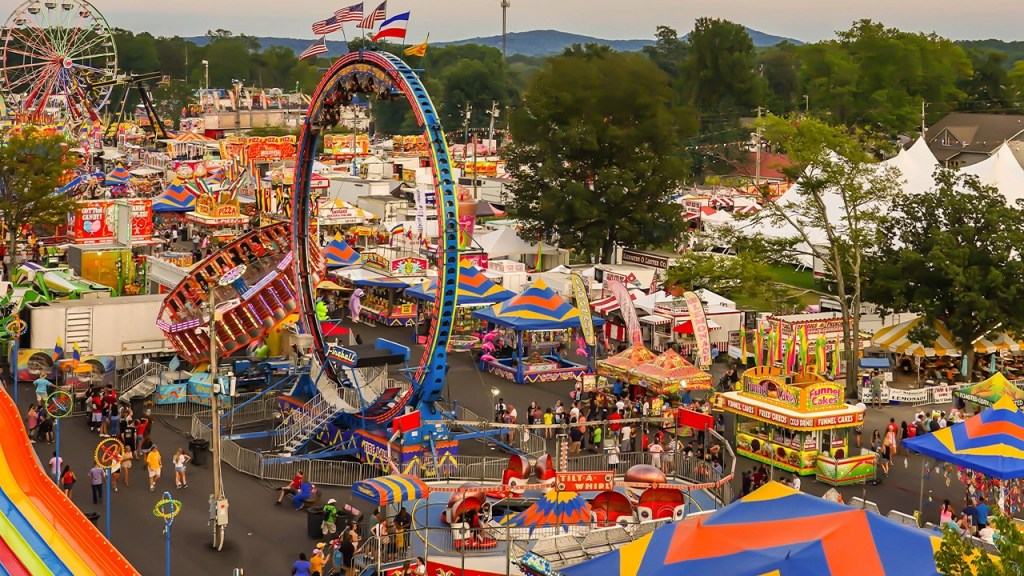
As the country grew and industrialized, county fairs began to change. They became more focused on entertainment, with rides, games, and other attractions added to the mix. This trend continued into the 20th century, with state fairs becoming even more popular and attracting visitors from all over the country.
One of the most famous state fairs is the Iowa State Fair, which has been held annually since 1854. The fair features a wide variety of attractions, including a butter sculpture competition, a giant slide, and an impressive collection of farm animals. Another popular state fair is the Texas State Fair, which has been held since 1886. This fair is famous for its iconic “Big Tex” statue, as well as its fried food offerings, which include everything from fried Oreos to fried butter, and of course the annual Red River Showdown football game between the University of Oklahoma and the University of Texas.
In addition to the entertainment and food, county and state fairs have also played an important role in American history. During the Civil War, fairs were often used to raise money for soldiers and their families. After the war, fairs helped to promote national unity and healing by bringing together people from all walks of life.
Today, county and state fairs continue to evolve, with new attractions and events added every year. However, the focus on agriculture and community remains a key part of these events. Many fairs also promote education and sustainability by offering exhibits and workshops on topics such as gardening, composting, and renewable energy.
County and state fairs are an important part of American culture and history. From their humble beginnings as agricultural exhibitions to the massive events we see today, fairs have evolved and adapted to reflect the changing needs and interests of our society. Whether you’re a farmer looking to showcase your livestock or a family looking for a day of fun, there’s something for everyone at a county or state fair.
 I was thinking about...