
The First Tornado Warning
By Andy Lee
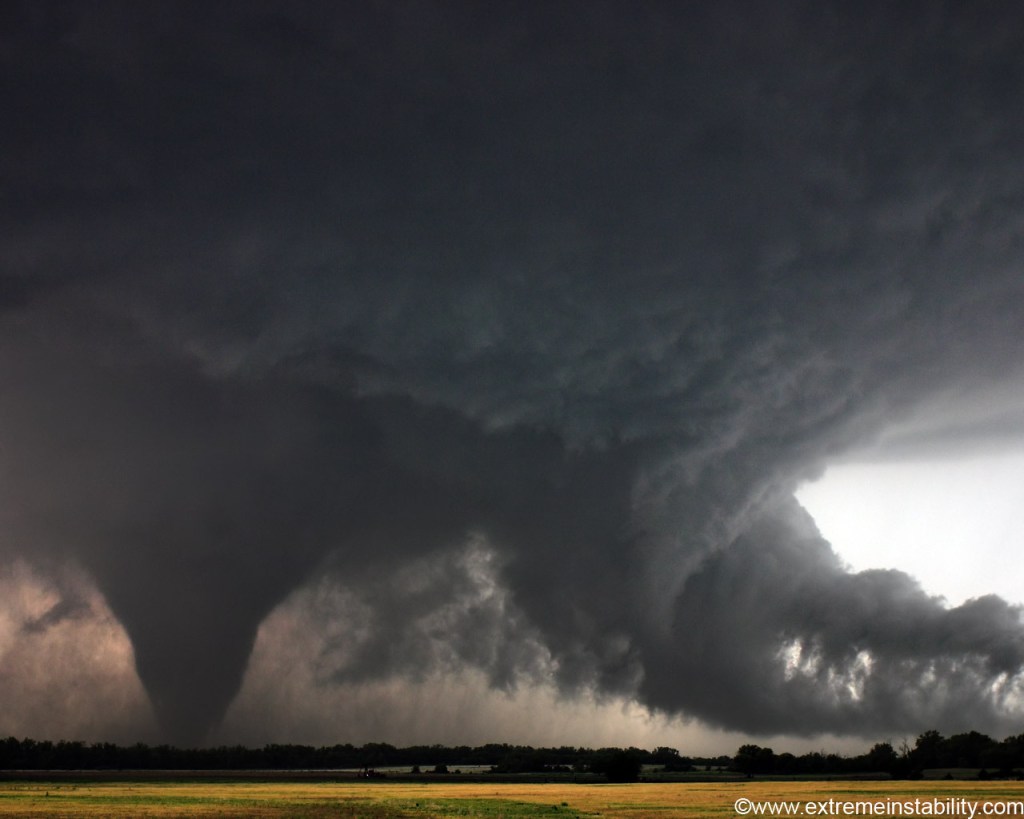
On March 25, 1948, two Air Force meteorologists, Major Ernest Fawbush and Captain Robert Miller, issued the first official tornado warning in the United States. The warning was issued for Tinker Air Force Base in Oklahoma, and it was based on a new forecasting technique that Fawbush and Miller had developed.
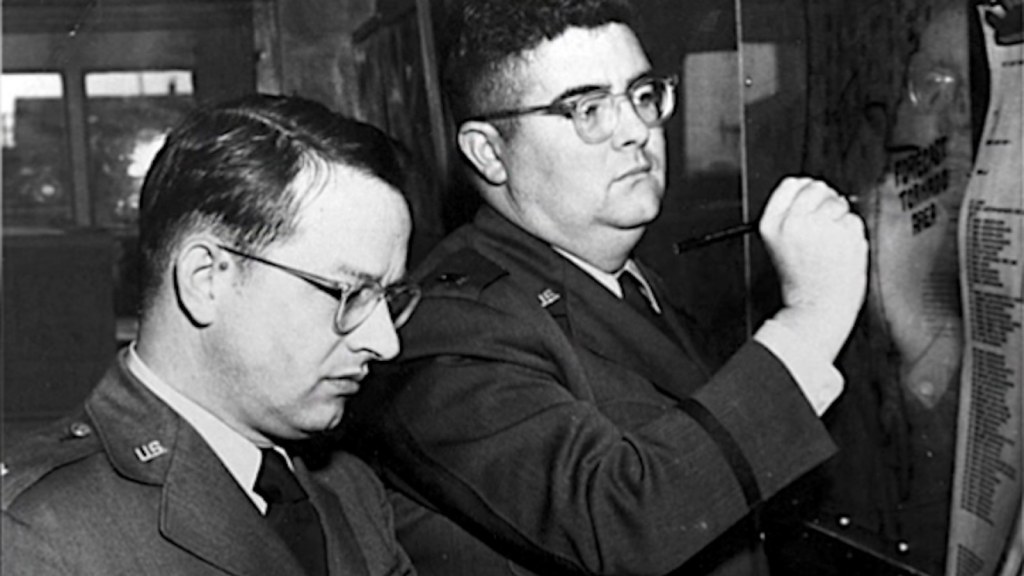
The technique involved tracking the movement of cold fronts and warm fronts, and then predicting where the two fronts would meet. This meeting of cold and warm air is often associated with the development of tornadoes.
Fawbush and Miller’s warning was successful in alerting people at Tinker Air Force Base to the impending danger, and no one was injured or killed when a tornado struck the base a few hours later.
The success of Fawbush and Miller’s warning led to the development of a more widespread tornado warning system in the United States. Today, tornado warnings are issued by the National Weather Service, and they help to save lives and property every year.
Here is a more detailed account of the events leading up to the first tornado warning:
In the early 1940s, Fawbush and Miller were working at the Air Force’s Scientific Services Division in Washington, D.C. They were studying the weather patterns that lead to tornadoes, and they developed a new forecasting technique that they believed could be used to predict tornadoes with a high degree of accuracy.
In March 1948, Fawbush and Miller were stationed at Tinker Air Force Base in Oklahoma. They were tracking a cold front that was moving across the country, and they predicted that it would meet a warm front in Oklahoma. They issued a warning to the base that a tornado was possible, and they were right. A tornado struck the base a few hours later, but no one was injured or killed.
Fawbush and Miller’s work on tornado forecasting was groundbreaking, and it helped to make the United States a safer place. They were true heroes, and their legacy continues to save lives today.
 I was thinking about...